How do you choose a swing-top stopper for a glass bottle?

When choosing a swing-top closure, start by checking the bottle neck and defining your packaging conditions. The neck profile determines where the wire bail mounts and where the gasket seats. The liquid and its intended use then dictate what the closure must withstand—from the internal pressure of a carbonated beverage to repeated washing cycles on a refillable bottle.
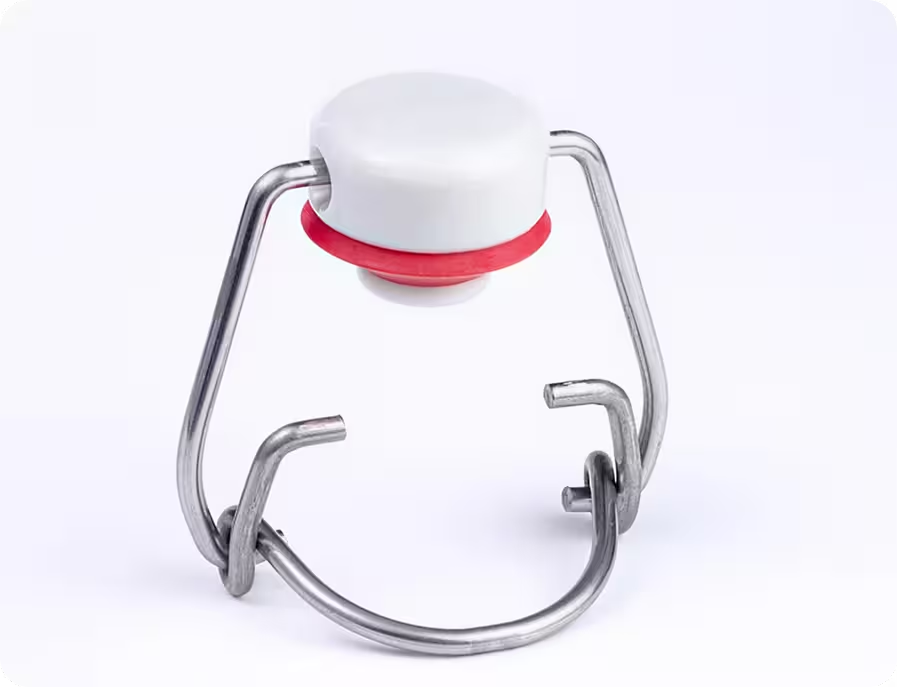
A swing-top closure, also known as a flip-top or wire-bail closure, seals the bottle via compression. When the lever is pushed down, the bail pulls the cap toward the finish and compresses the gasket against the lip of the neck. A properly matched closure centers securely over the opening, closes with smooth, consistent force, and maintains an airtight seal under expected conditions.
These checks will directly guide your choice of gasket, wire bail, and cap finish.
Which swing-top stopper should you choose based on your bottle neck?
The wire bail stopper for a bottle with a drilled neck
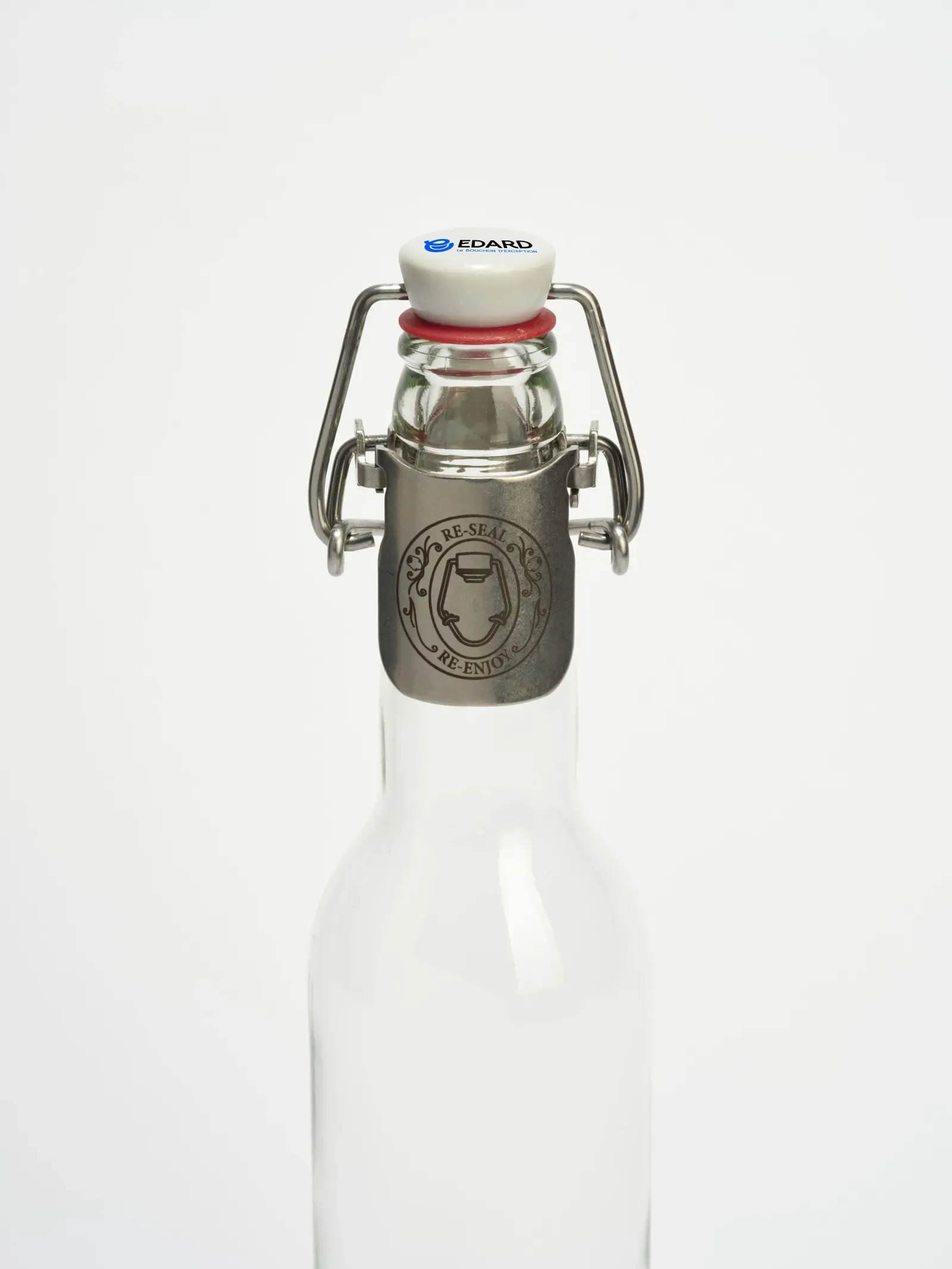
On a bottle specifically designed for this mechanism, the ends of the wire bail fit into side holes in the neck. When the lever is closed, it draws the cap onto the lip and compresses the gasket. At Edard, this setup serves as a primary closure: the swing top provides the bottle’s initial seal right from the bottling line.
To verify compatibility between the bottle and the closure, request a dimensioned neck drawing from your glassmaker. Three measurements are especially critical:
- The internal diameter of the opening, to understand the geometry available at the neck.
- The external diameter of the lip, to be compared with the gasket dimensions to ensure it rests on the entire circumference of the opening.
- The distance between the top of the lip and the center of the anchor holes, which affects the mechanism's travel and the gasket's compression when the lever is closed.
Two bottles with the same nominal diameter can have holes positioned at different heights. The same bail might clip onto both necks yet apply completely different sealing pressure to the gasket. If the glassmaker and closure manufacturer are separate suppliers, share the exact part number and neck drawing, then validate the assembly using physical bottle samples.
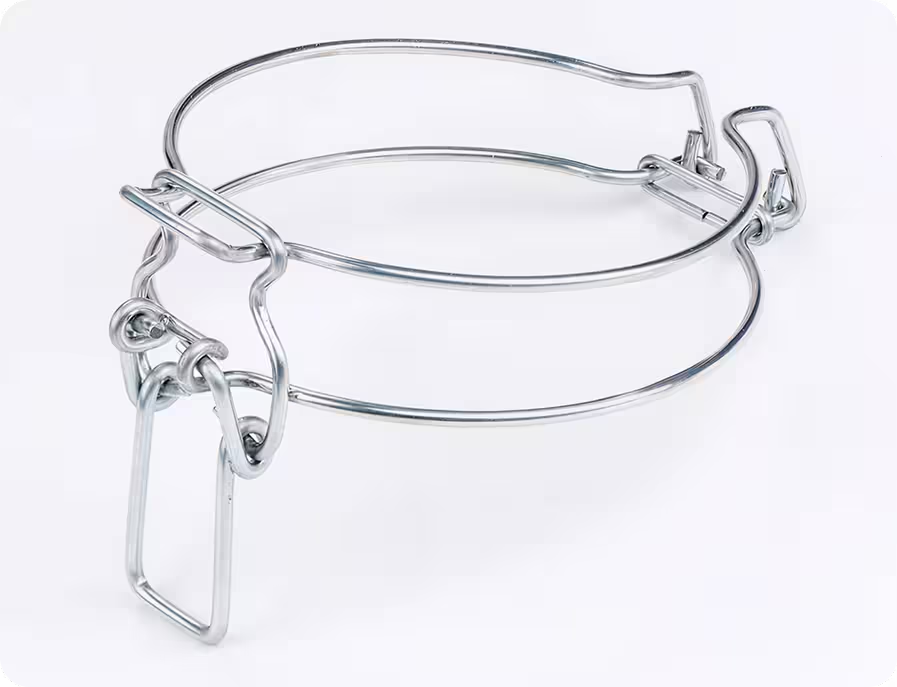
The clip-on stopper for a bottle with a smooth neck
On a smooth neck, an adapter collar can provide an anchor point for the swing-top mechanism. Some suppliers, including Edard, offer this configuration as a secondary closure. The bottle retains its primary closure for retail sale, and consumers can subsequently reseal it with the swing top.
If you are developing a lemonade bottle and want it sealed straight from bottling with a swing top, choose a bottle and primary closure engineered to work together seamlessly.
If you already market your product in a smooth-neck bottle and want to add an aftermarket resealing option, explore clip-on solutions and have the collar fit verified against your existing neck finish.
Which gasket should you choose for a swing-top stopper?
Fitted gasket or gasket injected onto the head
A fitted gasket is manufactured separately and then mounted onto the cap. If the design allows it to be removed and the supplier provides replacements, a worn gasket can be swapped out while keeping the original cap and bail. This is especially valuable for returnable bottle fleets maintained across multiple refill cycles.
An overmolded gasket is molded directly onto the cap and remains permanently bonded during handling and cleaning. It is ideal for processes where the entire assembly is washed intact. Check with the manufacturer on how to maintain the closure when the gasket wears down, and whether servicing requires replacing the assembled cap or the complete closure.
What factors influence gasket sealing?
The gasket must conform perfectly to the neck rim and maintain uniform contact all the way around. Its profile and material are critical, as are the condition of the rim, cap centering, and bail tension. If the cap sits crooked on the neck or the lever snaps down with almost no resistance, check the assembly and part compatibility before considering a change in gasket material.
For refillable bottles, verify seal integrity both when new and after completing the projected washing and open-close cycles. Provide your supplier with details on the liquid being bottled, the wash process, and the inspection protocol used prior to refilling.
Any removable gasket that shows cracks, has thinned out, or has previously leaked must be replaced. To fairly compare both configurations, test them on the identical bottle model under identical operating conditions.
How do you choose a swing-top stopper for a carbonated drink?
Define the pressure the bottle will be exposed to
For craft beer, kombucha, or soda, specify the target carbonation level and the maximum temperature the filled bottle might reach. If the beverage is bottle-conditioned, account for conditions at the end of secondary fermentation. Internal pressure can rise significantly after packaging, particularly if temperatures climb during storage or transit.
Ask your supplier for the maximum working pressure rated for the recommended models, along with the corresponding test temperatures and protocols. Specifications can state relative pressure in psig, temperature in °C, and carbonation in volumes of CO₂.
When dealing with beer growlers, ensure the container is certified for carbonated beverages and rated to withstand the pressure of your planned fill.

Check the glass strength and the seal of the closed bottle
Request two key validations from your supplier. The first is the glass bottle's resistance to internal pressure. The ISO 7458 standard outlines the test methods for this verification.
The second covers the sealing integrity and carbonation retention results achieved when the bottle is fitted with the designated cap, gasket, and wire bail. The first test confirms container strength; the second demonstrates real-world closure performance once assembled.
Record exact part numbers in your technical specifications. If a supplier updates the neck, gasket, or bail design, confirm whether previous test results remain valid for the new configuration. Two closures that look nearly identical can apply vastly different sealing forces to the exact same bottle.
What questions should you ask a swing-top stopper supplier?
Food-contact compliance documentation for the intended use
Ask the supplier for the declaration of compliance for food contact materials matching the stopper reference and its gasket. Specify the type of beverage, its alcohol content if applicable, the filling temperature, the contact time, and the reuse conditions. This will allow you to ensure that the declaration covers the stopper’s actual conditions of use.
In the European Union, Regulation (EC) No 1935/2004 sets out the general requirements applicable to materials intended to come into contact with food. Specific regulations then depend on the material.
Regulation (EU) No 10/2011 applies to plastic components within its scope, while in France, the order of August 5, 2020 specifically regulates rubber seals intended for food contact. Ask the supplier to specify the applicable regulations and any restrictions on use for the stopper's components.
Materials for the head, wire bail, and spare parts
Edard offers swing-top heads in polypropylene, ceramic, or wood, as well as bails in galvanized or stainless steel. Ask which combinations of material, finish, and gasket are available for the reference you are considering. If the bottle is to undergo multiple washing cycles, share the planned process before finalizing the choice of wire and finish.
For returnable bottle systems, also ask which parts can be ordered separately and how to identify the correct part number. If you plan to replace the gaskets as they wear out, confirm the availability of replacement gaskets before putting the bottles into circulation.
How do you test a swing-top stopper before a bulk order?
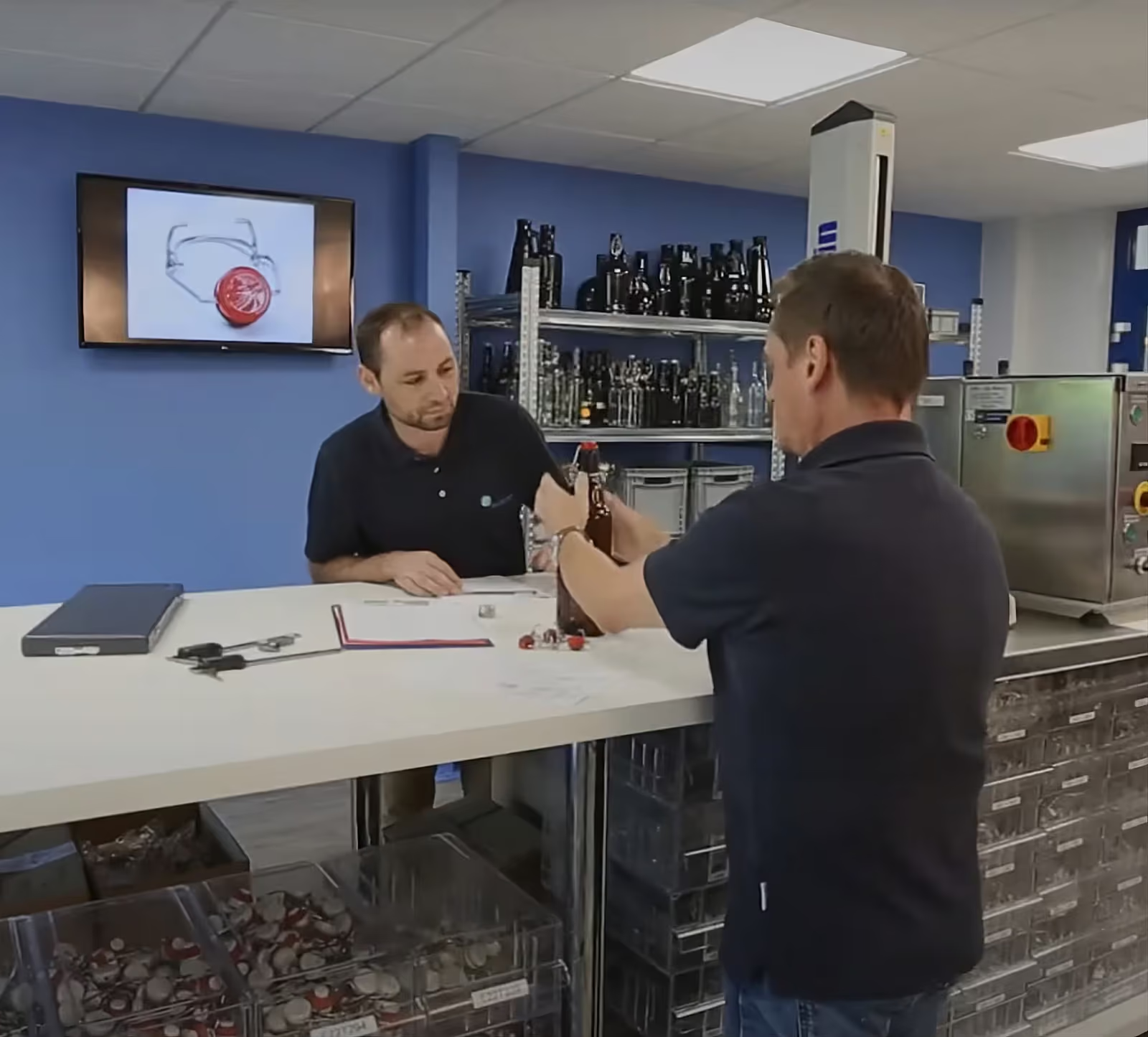
Request samples and fit them onto the bottles intended for production. If you already have the bottle but do not have the neck finish drawing, provide its part number and ask if the manufacturer can inspect a physical sample.
When switching suppliers, include the current stopper or its technical drawing to allow comparison of the fit and clamping force. Agree on validation criteria before placing the order.
- Check head centering and gasket contact. The head must be positioned in the axis of the neck, and the gasket must rest evenly. Look for a gasket that shifts, a bail that pulls to one side, or a head that sits at an angle.
- Verify closing force. Handle several samples. The lever should snap down with firm, consistent effort. If it requires excessive force or closes with almost no resistance, have the fit checked.
- Validate sealing under the intended conditions. Agree with the supplier on the measurements to be taken, as well as test duration and temperatures. For carbonated drinks, have leaks and carbonation retention evaluated on the equipped bottle.
- Repeat checks after washing and reuse. If the bottle is to be refilled, replicate the planned washing and opening-closing cycles, then inspect the gasket and re-check the seal.
- Verify production application. If assembly or closing is done on a bottling line, plan a line trial. Check the bail placement and the centering of the head and gasket after application.
Compile the part numbers of the approved bottle and stopper, the gasket configuration, and the test conditions into the technical specifications. Your team can refer to them upon receiving the first batch or if any of the components change.
Are you looking for a swing-top stopper for an existing bottle or a new project? Send Edard the dimensioned drawing or reference of your bottle, the type of beverage, and your pressure, temperature, and reuse conditions. Specify whether the stopper is intended for primary sealing at packaging or for resealing after opening. Edard will be able to guide you toward a configuration tailored to your specific application.

Continuer la lecture
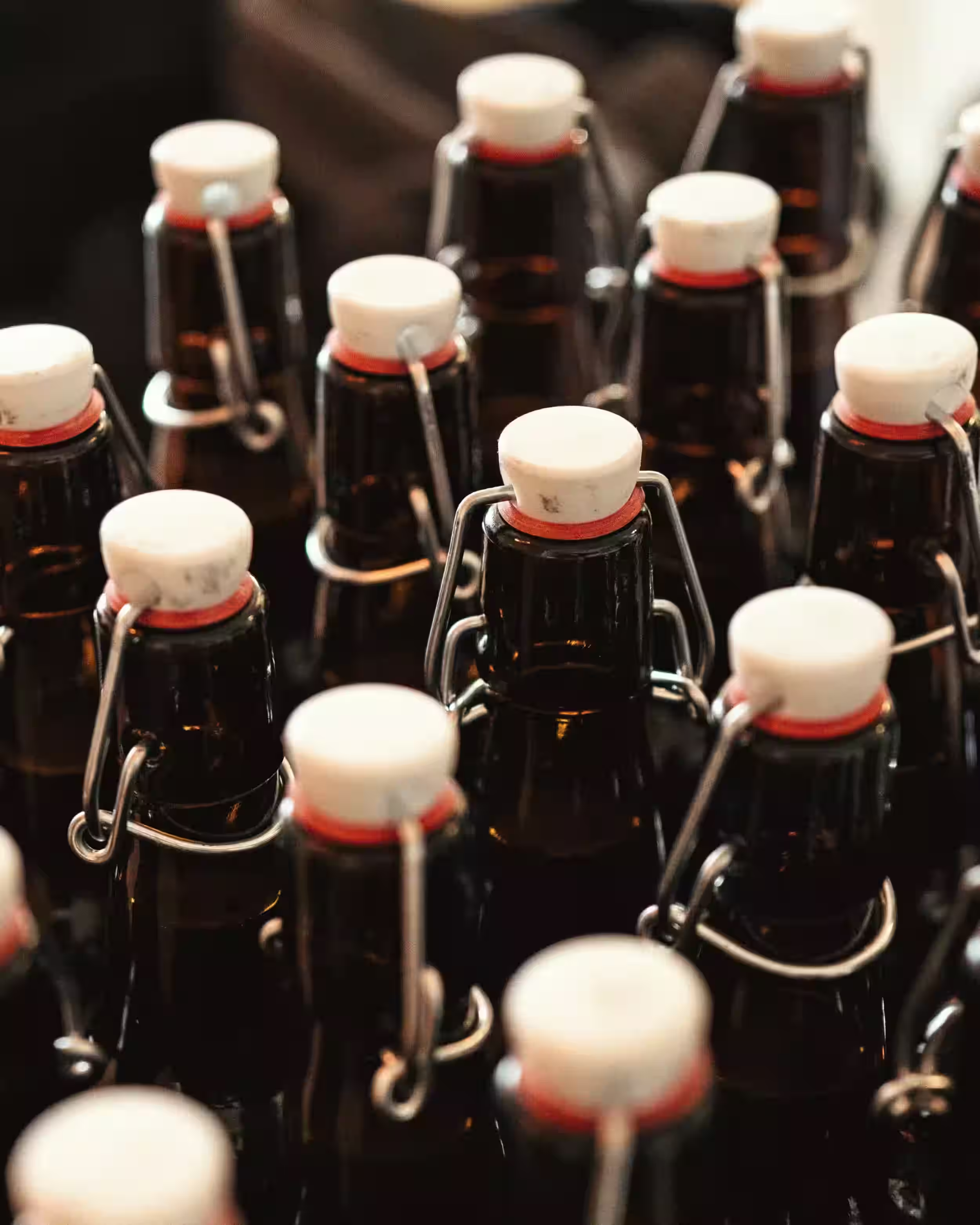
Which swing-top stopper should you choose for your bottle neck?
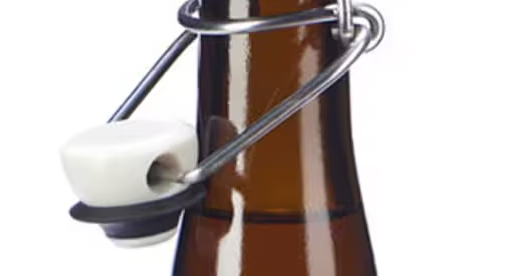
Mounted or injected bottle gasket: which to choose for a swing-top stopper?

Route du Rhum 2026: cette année, les entreprises du groupe STARD prennent le large pour une belle cause !
Contact our team